Overview
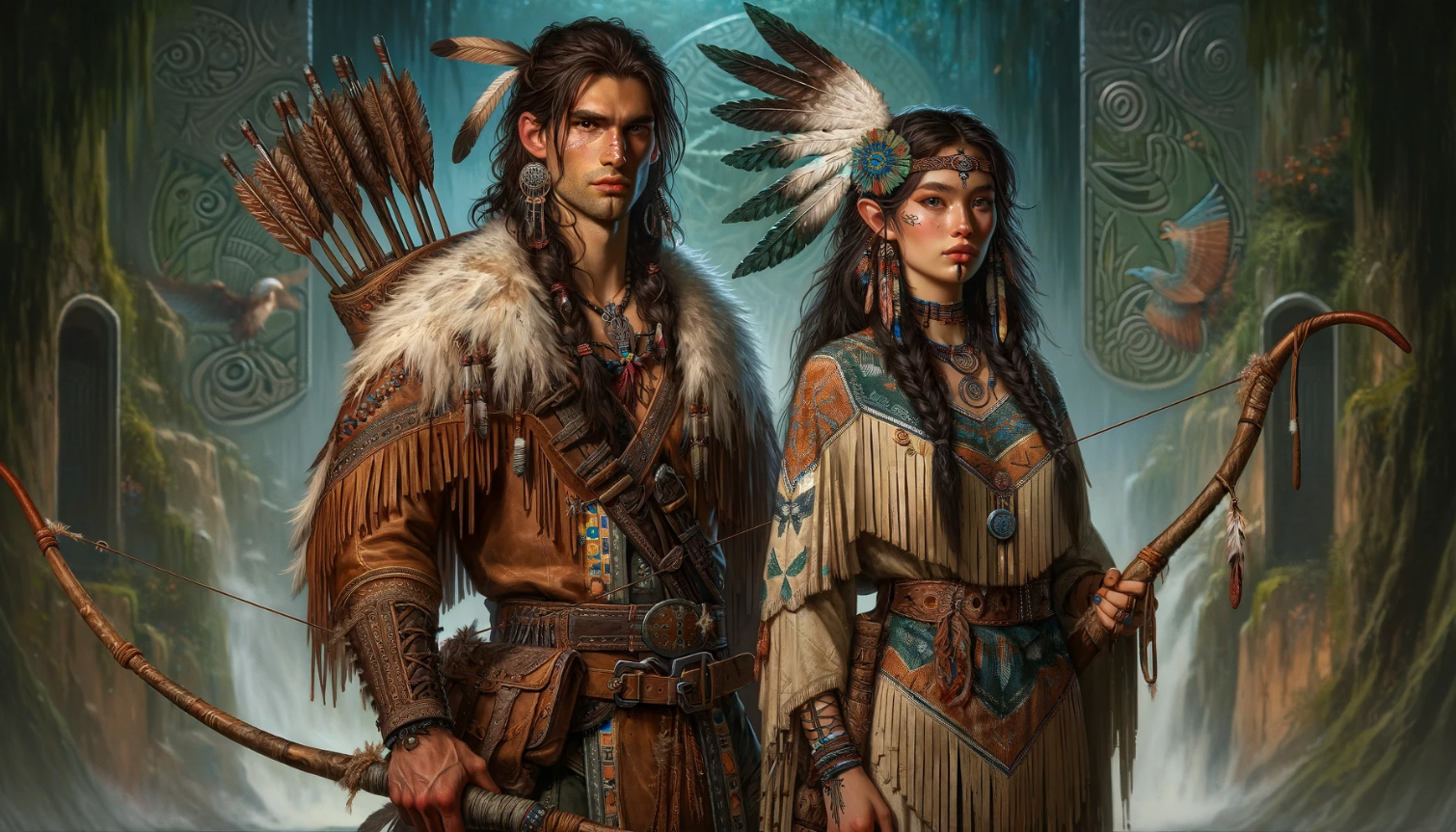
The Peaks is an untamed area with tribes of humans, goblinoid and gnolls. The humans, known as Indians, are highly attuned with the natural world. While not scholarly smart, the Indian people pass on knowledge thru story and legend and some of their warriors are considered the best at detecting and finding the influence of the Dark Gods, as they can often find it with almost a sixth sense. These Peaks are still very much a wild frontier land of raging rivers, untouched forests and intimidating mountains, and all manner of creatures make their home here.
History
While there are no set empires here, several of the human tribes made a pact generations ago with the Klydorians and these tribes have always answered the call when evil threatens the region. It was as part of this Alliance of Anwar, that the Indians played a major role in the defeat of the Merlo forces that moved against Klydor. Since that time some of the other tribes, both human and other, have accepted rewards from the enemies of Klydor to hunt down and kill those tribes which support the Alliance.
The largest war between tribes in recent times was the conflict between the Kestrel and Antori tribes. The final battle took place in the heart of Kestrel lands, and the Antori Chieftain, Gandyrlak, was gravely wounded by the Kestrel legend, Hantoxx the Brave. Gandyrlak fled the battlefield, and narrowly survived with the help of the dark witch-doctor Jakobi. But from that moment a great darkness has been growing within the Indiana Peaks. While the Antori have been the worst affected, many of the Gnoll tribes have also begun to show signs of corruption. And there are signs that the corrupt tribes are now working together, even if previously they were rivals or enemies.
Common Races
Humans
Sometimes referred to as the “Red People”, the Indians have a tanned skin with a red hue. Nearly all have dark hair and eyes, and it is common for young warriors to shave their head, except for a Mohawk. Beards are rare, even for elders. Customs will differ between individual tribes however.
Other Tribes
The Indiana Peaks are also home to tribes of goblinoids, gnolls and many other creatures. Many share some of these customs, and there is occasionally some mixing of races within a tribe as the taking of children as wards is not uncommon at the end of hostilities between two tribes.
Cities
Indian Settlements
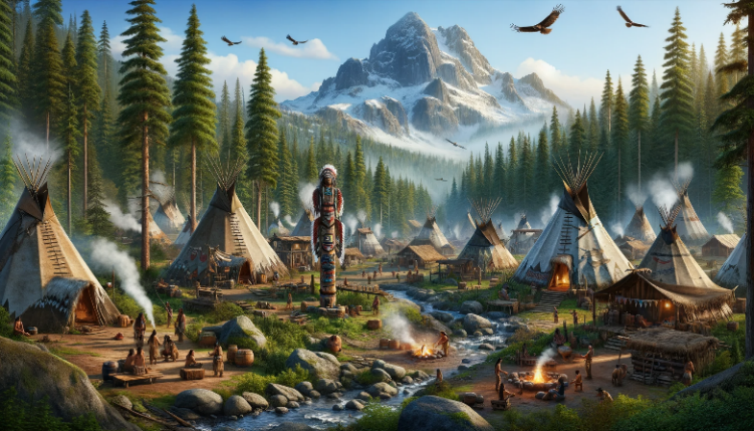
The Indians are a nomadic people, so they have few permanent settlements. Mostly their villages consist of tepees (tents), with some larger settlements having log cabins. The Indians have few large settlements.
The Peak of the Pack
While really more a series of caves than a city, it has long been the way that the strongest gnoll tribe is the one that controls the mountain known as the Peak of the Pack. The Gnoll tribes fight to control it as it comes with a lot of perceived power and significance amongst all gnoll tribes.
Nomadic
While their settlements are not significant, each tribe has special locations they use at different times of the year, such as river camps in Summer, sheltered valleys in Winter, migration routes in Spring and harvesting sites in Autumn.
Organisations and Suggested Characters
Indian Tribes
Each Indian settlement owes allegiance to a larger Tribe. Similar in effect to a large “Family”, each tribe has its own beliefs, history and heroes. Several tribes, such as the Kestrels and Onatah continue to honour the old Alliance, but others such as the Antori, now band together with the Gnolls and Goblinoids to hunt and kill these tribes. For each kill they bring, a mystery group is rewarding them with gold and modern weapons. The most influential tribes at present are:
Kestrel
The most well-known tribe in Klydor, and their fringed leather or hide clothing is often what other nations expect of all Indian tribes. The Kestrels are generally well educated by Indian standards, and many will speak Common and often the languages of the other tribes. The Kestrel embody living in harmony with nature, and offer prayers to their ancestors for guidance and to thank them for meals and other blessings. Most tribes have at least one shaman who revere and seemingly draw power from the ancestors. The Kestrels have been strong supporters of the Pact of Anwar and were instrumental in its original signing.
Onatah
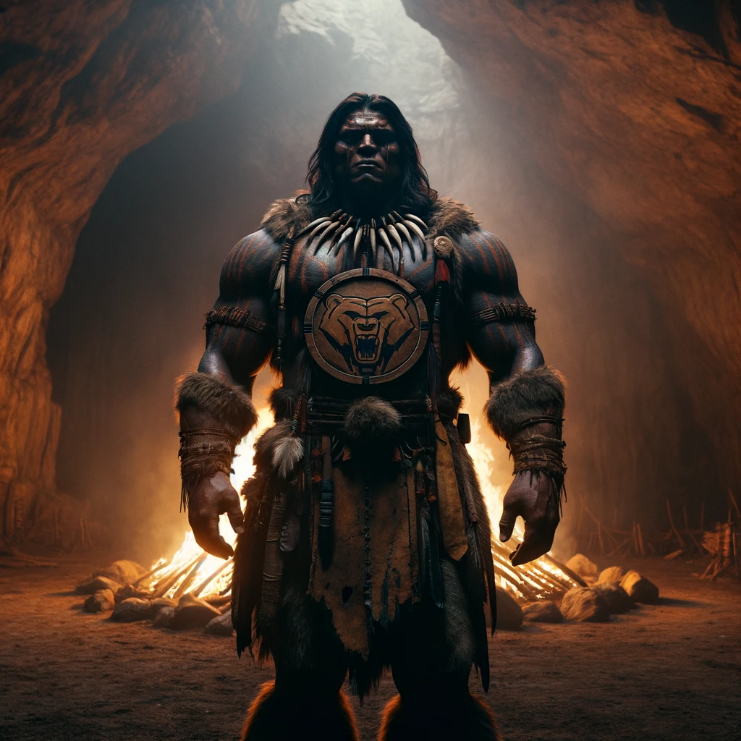
The Onatah favour bear totems. They usually camp in or near large cave complexes. They believe the deeper underground you go, the more pure the connection to the Earthmother, but they believe if you dig deeply into the earth you injure her, so it must be naturally formed. The Onatah tend to stockpile resources more before Winter, and then will remain in and near their caves more than other tribes. The Onatah adhere to the Pact of Anwar and are staunchly loyal.
Antori
The Antori Elders were killed several years ago by gnolls and their tribe became led by a young warrior, Gandyrlak. He was then tricked into blaming the Kestrels, and launched a serious was between his allies, and those of the Kestrel. In the final battle he was mortally wounded, but while beyond saving by any of the Antori shamans, he was saved by a mysterious witch doctor, Jakobi. Since then the Antori, with a growing contingent of Witch-Doctors, have aggressively expanded their Tribal lands.
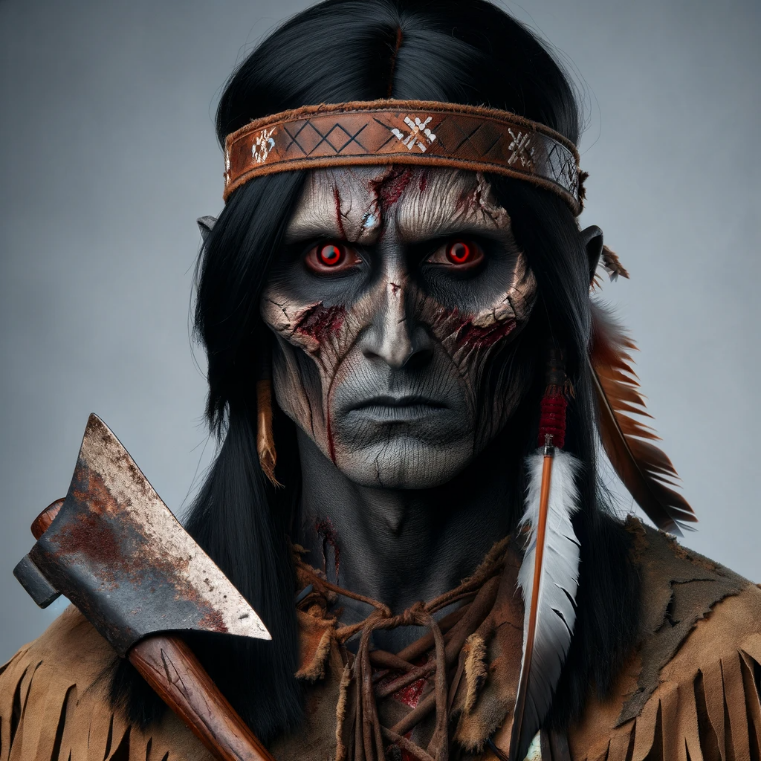
But legends grow that the tribe is cursed, and that their warriors return from the dead, and many tribes follow them through either fear, intimidation, or the promises of their dark gifts. The Antori despise the Pact of Anwar and anyone who supports it.
Pyranas
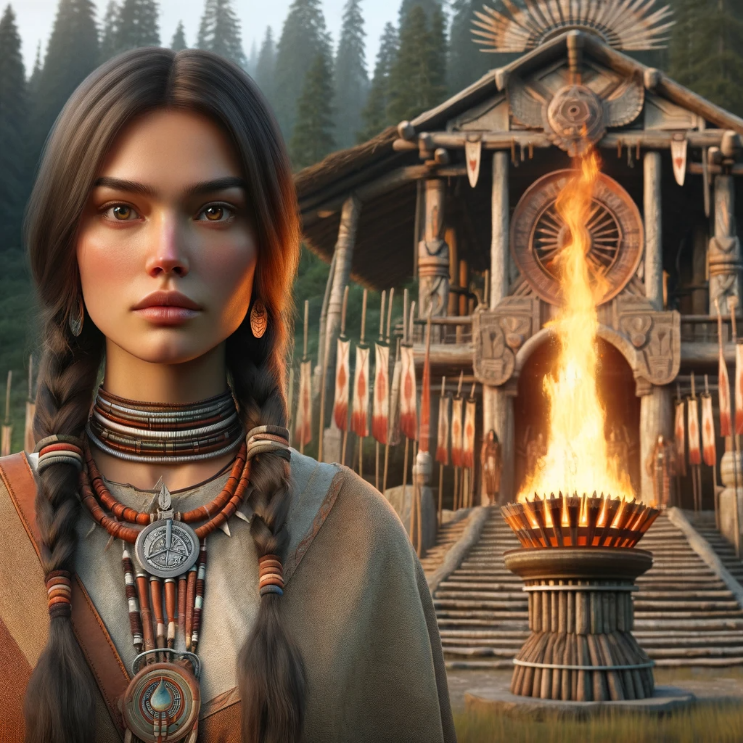
The ‘Keepers of the Flame’, the Pyranas remain nomadic, but in the middle of their lands is a small shrine with a flame to the ancestors which is never allowed to go out. Nearly all tribes consider it sacred. The shrine does not differentiate between human ancestors or other, although not all treat the shrine with reverence. There is a major festival to which all are welcome held at the end of Winter each year. The Pyranas have many Keepers who can divine things via the flame, and often compel the flame to other things as well. They Pyranas are neutral on the Pact of Anwar, and have generally not sent aid south.
Ohnenronkwe
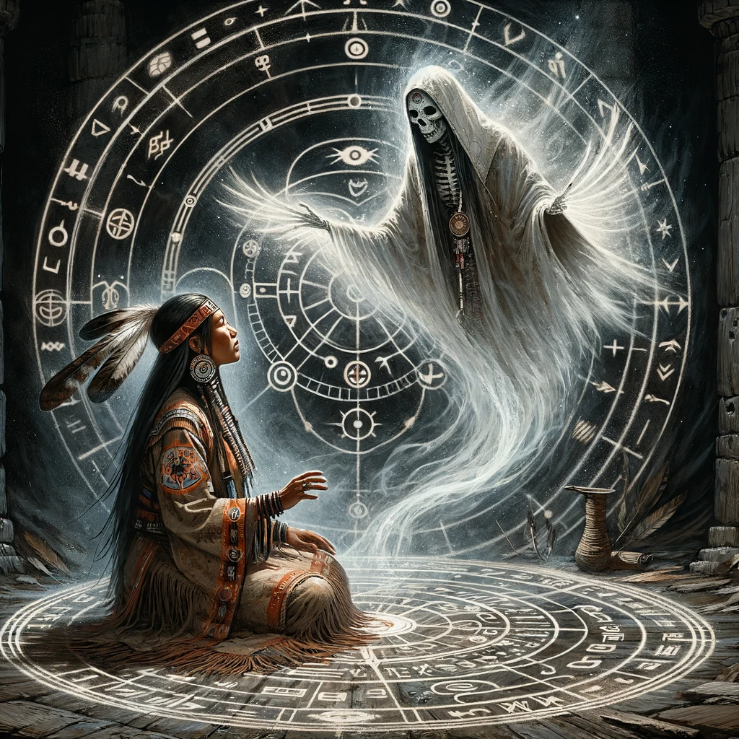
The Dead talkers are generally considered the closest to the spirits, and the ability to commune with them directly is more common here. The tribe is currently split between two factions. One wants to destroy the Antori, and their corruption. The other believes their command over death means the spirits are blessing them, and they should be joined.
Gnoll Tribes
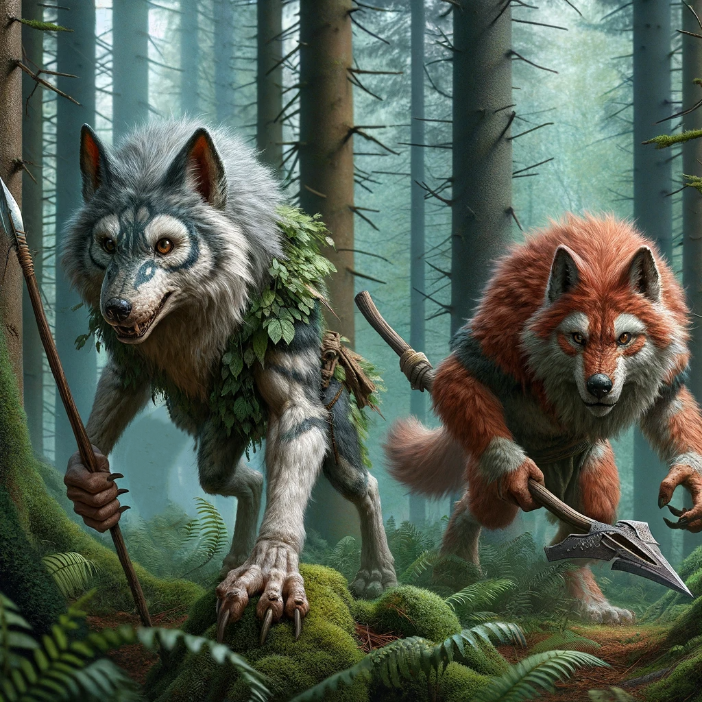
The Gnolls of the Peaks revere the hunt and have several significant rituals around this, including the Bond of the Hunt, whereby young Gnolls must prove themselves, the Silent Hunt, whereby the pack may not speak until it has killed, and the Great Howl, where each tribe howls, asking other tribes to howl in return and join a hunt. The three most influential Gnoll tribes are:
Skyhunters
Generally leaner than other Gnolls, the Skyhunters are the most skilled tribe with archery. They specialise in hunting the birds that frequent their lands, which tend to be in the higher peaks. They tend to dappled fur and make strong use of camouflage and stealth in both hunting and war.
Mooncallers
Usually grey and white furred, the Mooncallers adorn themselves with moon markings, mostly attack under moonlight, and are known for their nocturnal rituals and howling at all three moons for guidance. The white moon controls most decisions of tribal life, the red moon decides aspects of conflict, and the black moon decides things on death and succession.
Red-Mane Pack
Legend has it they once wiped two tribes in a day, and the blood from their defeated turned their fur red. Males tend to have thick manes of fur. They are aggressive and proud. They sharpen their weapons frequently, including their claws and teeth, and are the most warlike of the tribes.
Goblinoid Tribes
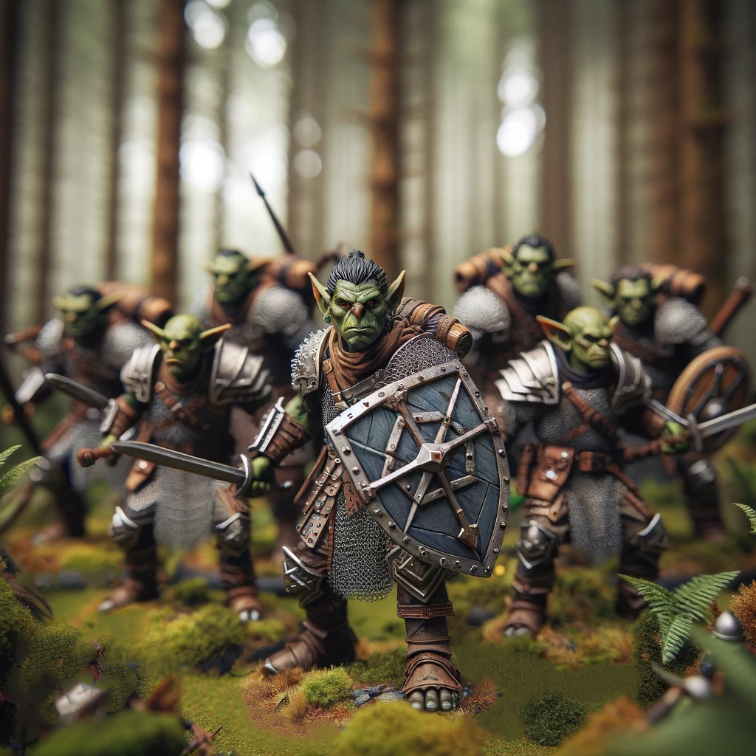
The goblinoids in the area include orcs, goblins and verak (hobgoblins). While tribes may contain mixed species, there will always be a dominant specie in each tribe. Goblinoids of the high peaks will be more nature attuned on average than other tribes, but they remain more warlike than the other creatures in these lands. The most influential tribes are:
Ironshields
A verak tribe who have a fledgling iron mine and use it to make their own weapons and armour. This gives them an advantage over the other tribes. They are relatively disciplined on the battlefield compared to the other tribes, and make use of formations and have a strong sense of honour.
Thunder-bringers
An orc tribe which is ruled by its shamans, and they get their name from the shaman ability to call storms. They revere storms and perform tribal rituals to summon them, and often attack during them. To become Chieftain one must stand in a storm and survive being hit by lightning. The shamans are mixed race, with many goblins amongst their ranks.
Greenblade Clan
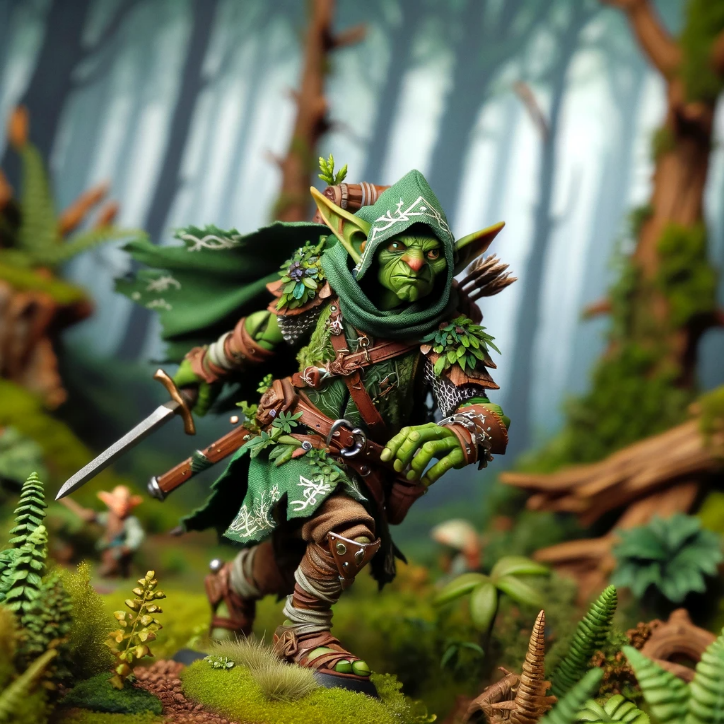
A goblin tribe which resides in the thickest part of the High Peak forests. They specialise in stealth, herbalism and poisons. They are largely indifferent to the suffering of others, so will barter a steep price if anyone comes seeking their skills in healing. Their tribal lands contain well kept gardens of flowers, herbs and vegetables.
Regional Life
Relations
Those that acknowledge the old Alliance can call on both the Llewyrr and the Klydorians. Others can trade scalps of those tribes for material goods from the enemies of Klydor. They are in the main, however, quite isolationist.
Clothing
This normally consists of a breechcloth folded over the belt, and with leather leggings attached in colder months. Shirts and belts are often adorned with colourful beads, with the colours and designs often telling the history of the wearer. Females wear long skirts and leggings. Ornate headdresses are common in both ceremony and times of war.
Women
Indian women are valued members of society, and can be elders, shamans or healers. But rarely are they warriors.
Cities
Key settlements: Indian Settlements, The Peak of the Pack, Nomadic.
Trade
The Indians have limited trade relations with anyone:
Exports: Skins, Herbs
Imports: Metals, foodstuffs, jewellery, weapons and armour.
Arms
Indians tend to prefer weapons that can also be used as tools, such as axes, hammers, knives and machetes. Many Indians can dual wield these weapons, or may carry small shields. Tomahawk throwing is a highly valued skill. The use of Short Bows, and Leather and Hide armours is also common.
Language
Most tribes have their own tongue, and some also speak Common or Klydorian, but this is not common. Very few can read.
Religion and Magick
Most Indians have no recognisable religion, choosing to revere their Ancestors and the Animal Spirits. While there is little organised schooling, the strong connection with the spiritual world has resulted in a great number of Shamans coming from these parts. Others connect with darker entities and become Warlocks, but are generally known as Witch-Doctors. Most tribes have at least one shaman/witch-doctor.
The Indiana Peaks Lore Points
Tribal Elders
Each Indian tribe is usually lead by its elders, who use their accumulated wisdom to guide the tribe and its peoples.
Chieftain
Many goblinoid tribes have a chieftain, who may rule over all matters, or perhaps just matters of war. With Gnoll tribes the Chieftain leads in times of war, but the elders decide all non-war matters.
Soul-Cap
All the tribes in the Peaks believe the hair on your scalp is connected to your soul. All warriors retain at least a small portion of hair on their scalp so as to preserve the soul, and to have this cut is considered a sign of massive dishonour and loss. Very few Indians suffer baldness, and they think those that do have a weak connection to their soul.
Harmony with Nature
The Indians have a strong bond with nature. The Indian way is to respect nature, and to connect and co-exist with it. This impacts the way they hunt, taking only what they need, the way they revere the earthmother, and the reverence they hold for their ancestors.
The Peace Pipe
It is a common tradition to finish a night of revelry or conversation with the smoking of a peace pipe. This pipe helps the smoker see the things the ancestor spirits wish him to see.
Totem Poles
Large poles carved from a single tree, totem poles are raised for a significant event or person. Totem poles represent animals, mythical creatures and the ancestors, and often tell a story of an event or person. Totem poles also allow a stronger connection with the ancestors, providing a boon to spirit-talkers and to those using a peace pipe.
Ownership
The Indians have no sense of ownership, as all things were given by the mother earth to be shared among each other, not owned or fenced in. This has caused an offence with other races over “stealing”.
The Mysterious Benefactor
There is a new mysterious benefactor who is willing to pay for proof of kills versus any tribe who supports the Pact of Anwar. Nobody knows exactly who this benefactor is, but his white skinned human agents have been seen making approaches to many tribes of many differing races to make their offer known. It is also believed that shipments of weapons and armour have also been seen going to tribes who take them up on this offer.