Overview
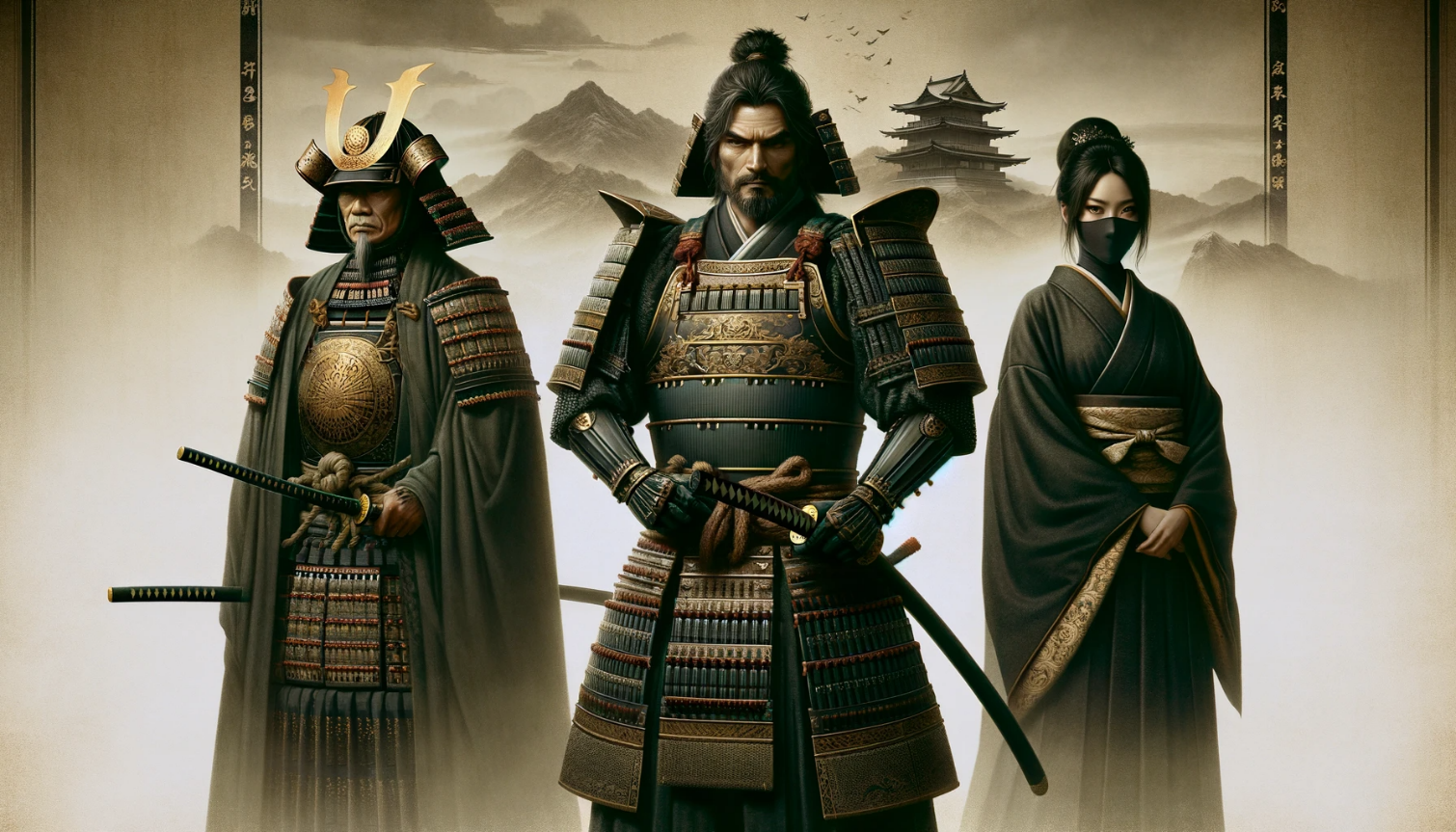
Primarily of Oriental origin, the Hohiro continue to follow the Samurai code of Bushido, and personal honour is of paramount importance to nearly all. Ritual suicide to attone for disgrace is quite common. Their prowess with their Katana is legendary, and their knowledge of Martial Arts is 2nd to none. Their lands to the North are often the source of bizarre creatures of Chaos leading many to believe there is strong source of corruption on the Northern Island. There is also a powerful Giants society in the lands near Fuji. These Giants are considered to be Gods, or messengers of the Gods by many Hohiro including the current Emperor.
History
The Hohiro have long been internally focussed, with wars between the various Samurai clans, battles between loyal and ronin samurai, and assassinations and other acts of intrigue by the mysterious Ninja. They are rarely raided by Vikings, as the Vikings believe their northern shores to be cursed, and they do not have the resources to attract the attention of the Lotese. The only one of their neighbours who pays them any real attention has been the Orcs of the Black Isles, who relish both the combat and the magnificent weapons they have plundered.
Common Races
Humans
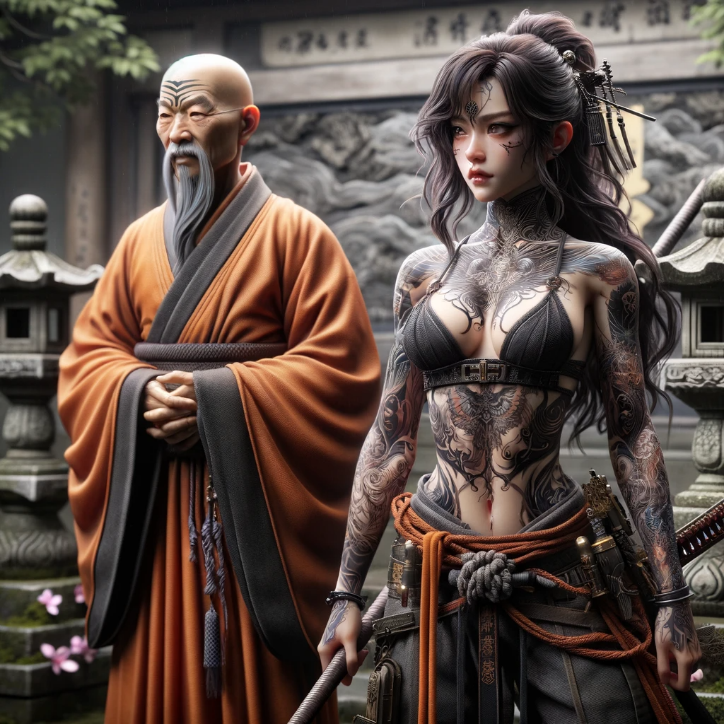
The Hohiro are small and slender, averaging only 5 ½ feet tall, with bronze skin, almond shaped eyes, and black hair. Their prowess and agility are highly regarded however, as the few ronin Samurai who have travelled East have proven.
Giants
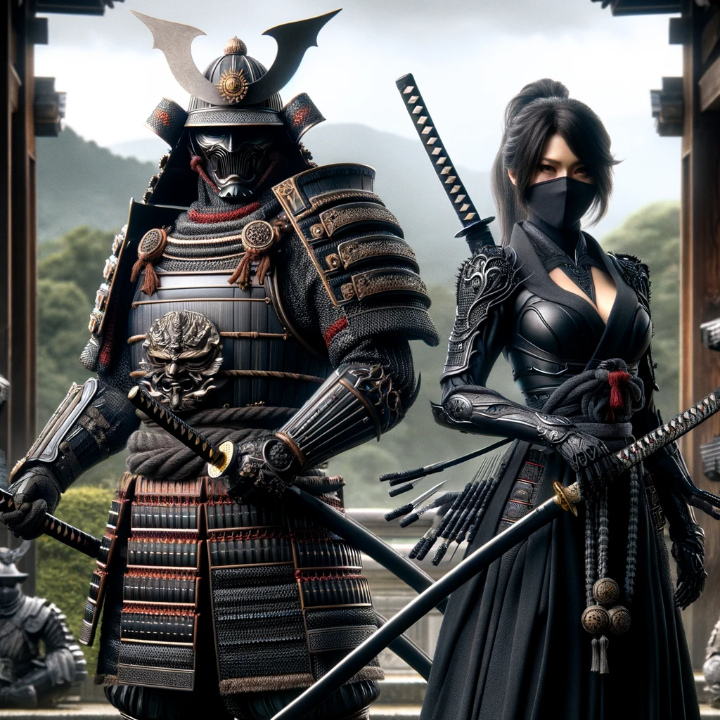
Spiritual and with many characteristics similar to Monks, the Giants of Hohiro are quite peaceful but will protect their homeland fanatically. They will share knowledge with those who are deemed worthy.
Cities
Fuji
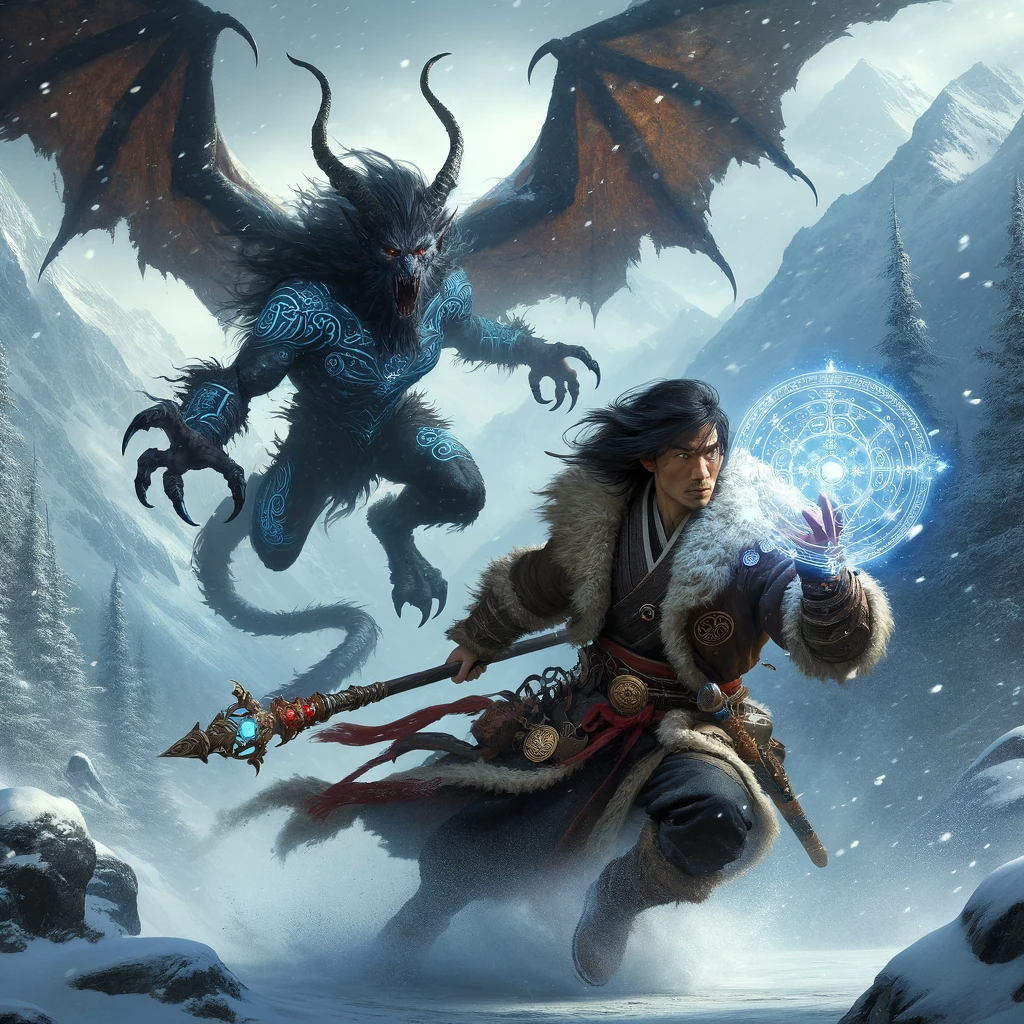
Situated at the base of the highest mountain in Hohiro, Fuji often surprises visitors with how large it is. Despite the reclusive manner of the Hohiro, Fuji is in fact larger than nearly any city in the East other than Memphis or Solaris. It has a large harbour, and a well maintained road between it and Panaka, with checkpoints guarded by Samurai to ensure that travel is free, and that only Samurai or special visitors bring weapons into Fuji or Panaka.
Panaka
This is where the Emperor lives in secluded majesty, and is technically the Imperial capital. With large magnificent gardens, even by Hohiro standards, Panaka has few peasants or commoners other than the direct servants of the Palace and many Noble estates within the city.
Okinawa
Once a beautiful city, Okinawa is a shattered fortress these days of patched walls and darkened eyes, the people living in fear of the land around them. Few merchants will risk the trip, and most of the Samurai houses have abandoned the place. The people are crying out for heroes.
Organisations and Suggested Characters
No source text yet.
Regional Life
Relations
Being strongly insular, the Hohiro have few relations with outsiders, and are suspicious of visitors. They do know of the Orcs because of Black Isle raids, and will attack them on sight.
Clothing
The most famous piece of Hohiro clothing is the Kimono, which is always wrapped left over right, with the other being considered a sign of barbarism. It was also used with unaware visitors, so that everyone in court could more easily identify them. Simple pants, wraps and vests are also common, with most peasants wearing black suits provided by the Government. The wealthy prefer brightly coloured silks, often with ornate patterns such as Dragons or Tigers emblazoned on them.
Women
While they may not be Samurai, they can rule, and in many instances the Emperor or Lord of a Clan is in fact female. They may also be Ninjas, and are accepted within the ranks of the Shih. Some pretend to be male to become Samurai.
Cities
Key settlements: Fuji, Panaka, Okinawa.
Trade
Not yet covered in the Western Regions source.
Arms
The Samurai are famous for their paired swords, the Katana and the Wakizashi. Made from folded steel, these weapons have a cutting edge superior to the blades of nearly all other races. While most samurai carry both, the Wakizashi is generally only used for rituals such seppuku. Non-samurai tend to use weapons similar to other races, although unique weapons such as the naginata and the nunchaku are also common. Martial artists will generally use their feet and hands, but may use weapons such as a bo staff, sai, nunchaku. Armour is generally leathers or hides, and shields are uncommon other than bucklers or bracers. The use of Bows and Repeater Crossbows are common.
Language
They have their own tongue, and a few also speak the languages of their neighbours, such as Common or Avalonian, but this is quite rare.
Religion and Magick
The Hohiro predominantly worship Zankeine, for they see him as a much more honourable figure than other races, and Arione, for they are quite a spiritual race. With the issues they have had with dark creatures and powers in their northern areas, they are suspicious of magick in general, so while Priests are generally OK, as are the Templars within the Samurai, many others may be lynched or burned. None of the major Arcane orders have established themselves here, but there are casters within the Shi.
Tears of Hohiro Lore Points
Emperor
Revered as a Demi-God and direct descendent of the Gods themselves by the people, an Emperor and his Imperial Family have ruled over Hohiro for nearly a thousand years. Assassinations and fighting over the throne is rare, but does happen. But truthfully, they have no power, as this is held by the Shogun, so it is for this position that most fights occur.
Shogun
The real power in Hohiro, the Shogun is the Warlord and Prime Minister combined. As he commands the armies, and hence all of the Samurai, the Clans often fight and lobby for this position. It is often the shogun who chooses which child of the previous Emperor will rule, which often allows them to marry their children into the Imperial family. But few would dare try to supplant the Emperor for they fear the God’s wrath if their kin are harmed.
Samurai
Akin to Knights, only the Samurai may carry the two swords, and only they will generally ride Horses into battle. Nearly all Samurai swear an Oath of Loyalty to both the Emperor and a Feudal Lord known as a Daimyo. Each Samurai is part of a larger Clan. A Samurai without a Lord is known as Ronin.
Ninja
Believed to have originated from the house of a fallen Emperor, the Ninja are a mysterious collection of small clans of Assassins. Masters of stealth and secrecy, the ninjas strike without warning and then vanish. Each clan has its own beliefs and ideals, but most are available if the price is right. While rare, it is not unheard of for them to be found away from Hohiro.
Ronin
The Lordless, the Ronin are generally considered without honour, despite the fact that many may still follow all of the tenets of Bushido. Most Samurai encountered away from their homeland are Ronin as few would otherwise leave their Daimyo.
Bushido
“The Way of the Warrior,” this is a code which governs all Samurai, and is a matter of great honour. It essentially supports seven ideals:
Gi – Righteousness
Yu – Courage
Jin – Benevolence
Rei – Respect
Makoto or Shin – Honesty
Meiyo – Honour & Glory
Chugi – Loyalty
So important to the Samurai is there concept of honour and the code of Bushido that is common for a defeated or disgraced Samurai to commit ritual suicide in the form of Seppuku, which is considered to cleanse him of all failings and restore his honour. And to a Samurai dishonour is far worse than Death.
Martial Arts
As peasants are generally not allowed to carry weapons, this discipline evolved from their need to defend themselves. While it has never come close to allowing the peasants to defeat the Samurai in a major battle, it has evolved into a very deadly combat form, particularly among the Monks and Ninja.
Yakuza
Very similar to Thieves Guilds, the Yakuza also have a strong code of honour with failure often requiring a punishment of mutiliation such as the removal of a finger joint, the loss of a hand or limb, and sometimes death. The Yakuza embrace tattoos, and it is common for a Yakuza to stylize the events of his life in large colourful tattoos.
Monks
The Hohiro have always been strong believers in the importance of spirituality and inner harmony, which has resulted in many Monk style orders within their lands. While most are stand-alone monasteries which will accept any who arrive upon their door, they have perfected much in the areas of occult knowledge, magick, and martial arts.
The Shih
With the large number of abominations and demons in their northern lands it is perhaps not unexpected that a collection of demon-hunters has emerged here, dedicated to hunting and killing these beasts. Their order includes Samurai, Ronin, Monks, Priests, Ninjas and Yakuza, although there is no guarantee that members will necessarily get along. While you might expect some exchange between themselves and the Inquisition, they have in fact been declared “tainted” and are hunted by the Inquisition.
The barriers to the demon planes get quite thin in the northern parts of Hohiro